Stop Saying 'Estoy Caliente': 7 Tener Mistakes in Spanish
Estoy caliente does not mean you feel warm. Fix 7 common Spanish mistakes with tener, from tengo calor to tengo razón, plus a quiz and cheat sheet.
Nativia Team
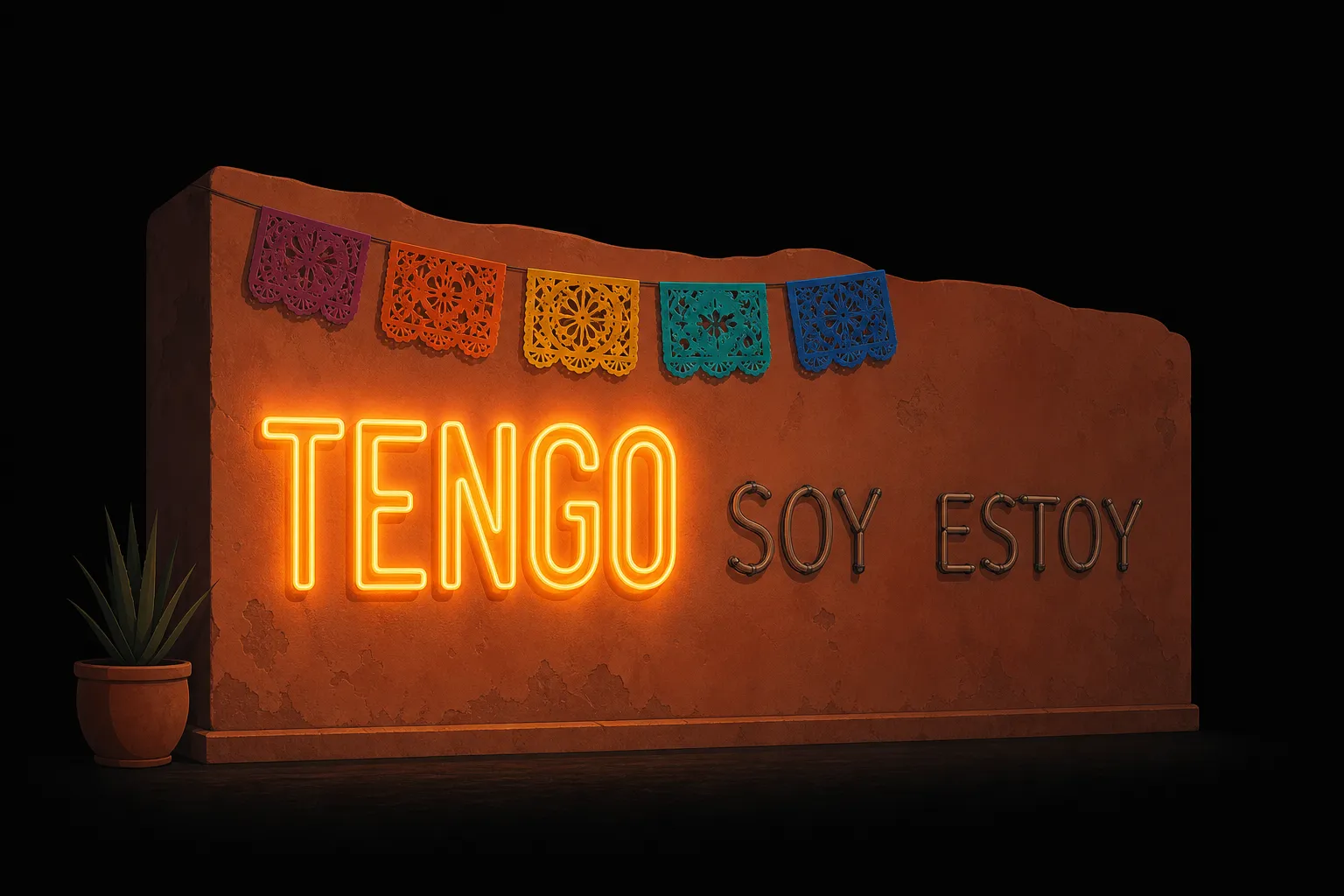
My second day in Mexico City I fanned myself at the dinner table and announced, Estoy muy caliente. (what I meant: I'm so hot.) My host mom laughed until she cried, because I had just told the whole family I was very aroused. Nearly every embarrassing mistake from my first year had the same root: English says you are a state, Spanish says you have it.
These seven traps show up constantly with English speakers. Each one comes with the fix and a memory hook so it never happens to you.
Quiz ahead: A six question self-test waits at the end, and question 2, the age one, catches almost everyone on the first try.The one rule behind all seven
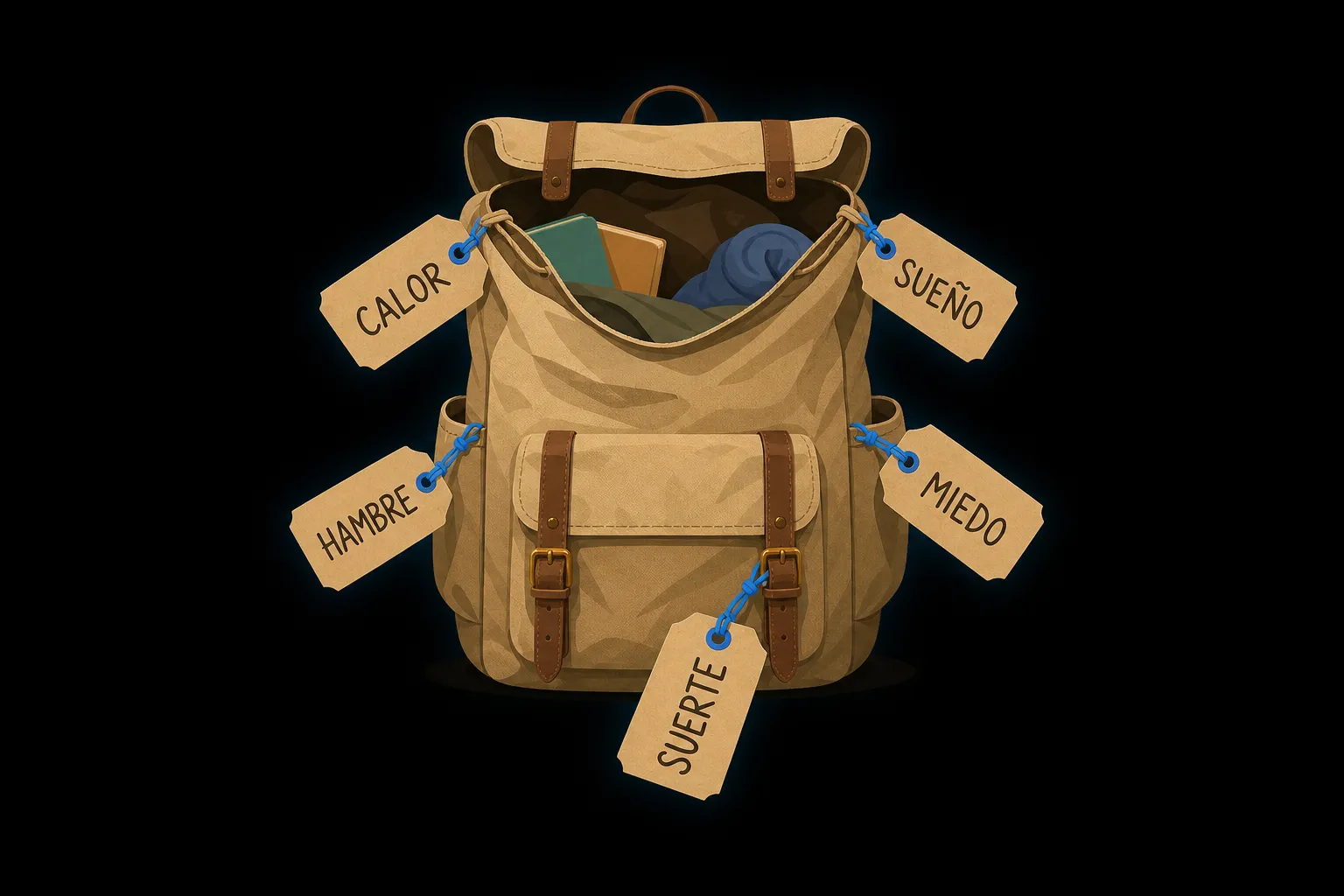
In English, states are adjectives glued to "to be": I am hungry, I am cold, I am right. The Spanish versions are nouns. Hambre is hunger, sueño is sleep, razón is reason. You cannot be a noun, so Spanish makes you own it with tener. Think of these states as things you carry around all day.
Key takeaway:
- English uses to be plus an adjective: I am hungry, I am cold, I am right.
- Spanish uses tener plus a noun: you have hunger, cold, and the reason on your side.
The seven mistakes that give you away
1. "Estoy caliente" for feeling hot
The one from my dinner table. Estoy caliente. (literal: I am hot.) tells people you are turned on, not warm. The day hands you heat and you hold it: Tengo calor. (I'm hot.) Cold works exactly the same: Tengo frío. (I'm cold.)
Hook: the sun gives you a bag of heat, and you carry it until you find shade.
2. "Soy 25 años" for your age
Soy 25 años. (literal: I am 25 years.) is the fastest way to out yourself as a beginner. In Spanish you collect years: Tengo 25 años. (I'm 25 years old.) The question follows the same logic: ¿Cuántos años tienes? (How old are you?)
Hook: every birthday hands you one more candle for the box. You have 25 of them.
3. "Estoy hambre" when you're starving
Word for word from English you get Estoy hambre. (broken: I am hunger.) Hunger is a hole in your stomach, and the hole is in you, so you have it: Tengo hambre. (I'm hungry.) Thirst too: Tengo sed. (I'm thirsty.) And before you reach for hambriento: it exists, but it sounds like a starving wolf in a fairy tale.
4. "Estoy correcto" when you win an argument
Estoy correcto. (intended: I am right.) reads like a court transcript. Natives talk about who holds the reason: Tienes razón. (You're right.) Yo tengo razón. (I'm right.)
Hook: razón means reason. In an argument, whoever is holding the reason wins the point.
5. "Estoy miedo" at scary things
Estoy miedo. (broken: I am fear.) Fear is a noun you hold: Tengo miedo. (I'm scared.) Add the scary thing with de: Tengo miedo de volar. (I'm scared of flying.)
Hook: fear is the heaviest thing in the backpack. You carry it, it is not what you are.
6. "Estoy sueño" at midnight
Estoy sueño. (broken: I am sleep.) Sleepiness is the noun sueño, the same word as dream: Tengo sueño. (I'm sleepy.) Careful with the neighbor: Estoy cansado. (I'm tired.) is perfectly fine, because cansado is an adjective. Sleepy is the noun one.
Hook: by midnight you are already holding tonight's dream. You just need to close your eyes.
7. "Estoy suerte" when things go your way
Estoy suerte. (broken: I am luck.) Luck is a coin, not a personality: Tengo suerte. (I'm lucky.) To envy a friend: ¡Qué suerte tienes! (You're so lucky!)
Hook: luck is a coin in your pocket. Some days you have it, some days you don't.

Reading is step one. Speaking is what makes it stick.
Practice this in a real conversation, with instant feedback.
Your turn: six fresh sentences
All new sentences, nothing recycled from above. Say each answer out loud before you tap, that is how it moves from reading into speaking.
Pick the right option in each sentence, then check your answers.
1. mucho frío en esta oficina, ¿puedes cerrar la ventana?
I'm really cold in this office, can you close the window?
2.A new friend asks about your sister's age. What do you say?
3.Después de la caminata, muchísima sed.
After the hike, we are extremely thirsty.
4.It is August in Sevilla and you are melting. What do you groan to your friend?
5.Perdón, tú razón, el museo cierra los lunes.
Sorry, you're right, the museum closes on Mondays.
6.Your friend yawns at 11 pm. What do they most likely say?
The cheat sheet
Save this one to your phone for your next trip.
Tener, not ser or estar: the fixes
| You want to say | The trap | Say instead |
|---|---|---|
| I'm hot (weather) | Estoy caliente (means aroused) | Tengo calor |
| I'm cold | Estoy frío (cold to the touch, distant) | Tengo frío |
| I'm 25 years old | Soy 25 años | Tengo 25 años |
| I'm hungry | Estoy hambre | Tengo hambre |
| I'm thirsty | Estoy sed | Tengo sed |
| You're right | Estás correcto | Tienes razón |
| I'm scared | Estoy miedo | Tengo miedo (de...) |
| I'm sleepy | Estoy sueño | Tengo sueño (Estoy cansado = tired is fine) |
| I'm lucky | Estoy suerte | Tengo suerte |
Get instant feedback on your mistakes
Nativia corrects your grammar and pronunciation after every message while you speak, so mistakes don't stick.
FAQ
Is "estoy caliente" ever correct?
For food and objects, yes. La sopa está caliente. (The soup is hot.) is completely normal. Applied to a person it means aroused, so for weather and body heat always go with Tengo calor. (I'm hot.)
How do I say I'm really hungry or really cold?
Use mucho or mucha, never muy, because these are nouns: Tengo mucha hambre. (I'm really hungry.) Tengo mucho frío. (I'm really cold.) Muy only works with adjectives.
Which other tener expressions should I learn next?
The same logic covers Tengo prisa. (I'm in a hurry.), Tengo ganas de salir. (I feel like going out.) and Ten cuidado. (Be careful.) Learn them as whole chunks, not word by word, and they will come out automatically in conversation.
Keep reading
7 Spanish False Friends That Will Embarrass You
Embarazada does not mean embarrassed. Learn 7 Spanish false friends that trip up English speakers, with fixes, memory hooks, and a self-test quiz.
12 Mexican Slang Words You'll Actually Hear Every Day
Learn 12 Mexican slang words locals really use, from güey to ahorita, with real dialogue lines, cross-country warnings, and a quick self-test quiz.
Ordering Food in Spanish: A Restaurant Survival Guide
How to order food in Spanish from table to tip: the phrases you need, what the waiter will say back, plus a quiz and a downloadable cheat sheet.